Measurement and Positioning: Mark the support centerline and elevation on the foundation pit retaining structure, ensuring the axial deviation does not exceed ±30mm, providing a benchmark for subsequent installation.
Bracket and Waler Installation: Weld triangular steel brackets to the diaphragm wall or retaining piles for temporary steel support.
Install double-section H-beam steel walers (waist beams) and fill the gaps between them and the wall with fine aggregate concrete to ensure uniform force transmission.
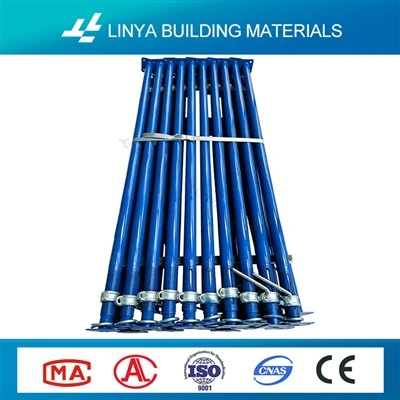
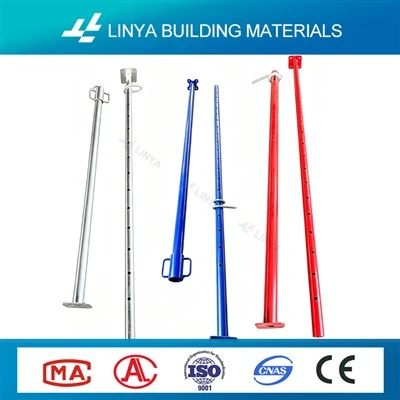
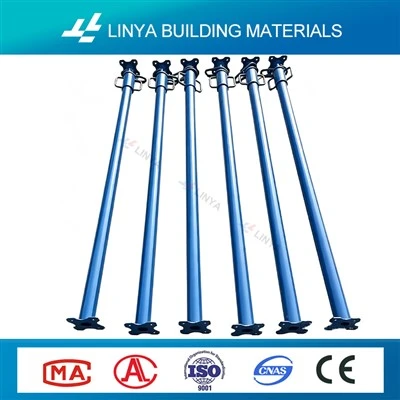
Steel Support Hoisting: Splice steel pipes (e.g., Φ609×16mm, Φ800×16mm) to the designed length outside the foundation pit and hoist them into position.
First fix the fixed end, then connect the movable end, adjusting the length to fit the actual clearance.
Applying Prestress: Apply axial prestress to the movable end using hydraulic jacks, typically in two stages to 40%~60% of the design value, holding the load for 10 minutes before tightening the steel wedges for locking.
Prestressing requires regular monitoring and timely compensation for losses to ensure the stability of the support system.
Fall Prevention and Monitoring Measures: Anti-fall devices are installed at both ends of each steel support: L80×10 angle steel is anchored into the top of the wall using M20 expansion bolts, and then secured with Ø12 steel wire rope.
Axial force gauges and other monitoring instruments are installed to monitor changes in support stress in real time and provide early warning of abnormal deformation.